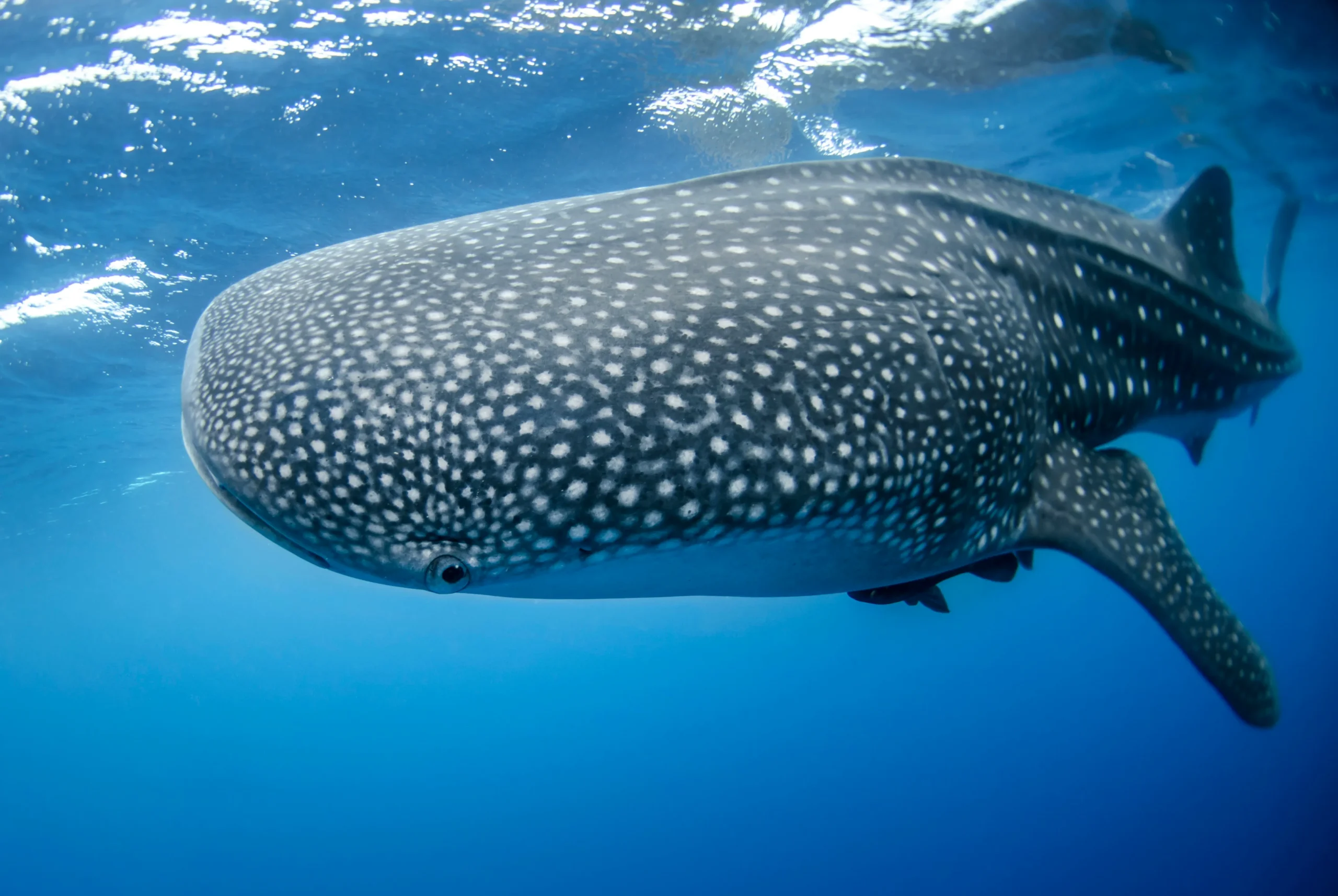
Imagine floating in the crystal-clear ocean when a massive, beautifully spotted creature slowly glides right past you. Swimming with whale sharks is a bucket-list experience for ocean lovers and adventure seekers worldwide. Despite their intimidating name and massive size, these creatures are completely harmless to humans.
If you are planning to add this incredible wildlife encounter to your itinerary, here is everything you need to know to prepare for a safe, responsible, and unforgettable trip.
1. The Gentle Giants of the Ocean
Whale sharks hold the title of the largest fish in the sea, reaching lengths of up to 12 meters (40 feet) or more. However, they are filter feeders. Their diet consists almost entirely of microscopic plankton, small fish, and krill. They move at a slow, relaxed pace, making it easy for snorkelers and divers to observe their majestic movements without feeling threatened.
2. Is It Safe for You (and the Sharks)?
Yes, swimming with whale sharks is incredibly safe. They are known for their docile nature and are generally indifferent to human presence. The bigger safety concern is actually protecting the sharks from us. Irresponsible tourism can disrupt their feeding habits and natural migration patterns, which is why booking with an ethical tour operator is absolutely essential.
3. Essential Rules for a Responsible Encounter
To ensure the wellbeing of these endangered animals, there is a strict code of conduct that all visitors must follow:
- Keep Your Distance: Always maintain a distance of at least 3 to 4 meters from the shark’s head and body, and 4 to 5 meters from its tail to avoid an accidental swipe.
- Look, But Never Touch: Touching or riding the sharks is strictly prohibited. It removes the protective mucus layer on their skin and causes them immense stress.
- No Flash Photography: Sudden bright flashes can easily blind or startle them.
- Wear Reef-Safe Sunscreen: Standard sunscreens contain chemicals that are highly toxic to marine environments and the plankton that whale sharks rely on for food.
4. What to Expect on the Tour
Most whale shark encounters are done via snorkeling rather than scuba diving, as the sharks tend to feed close to the surface. You will usually head out on a boat early in the morning, guided by local spotters who know the waters. Once a shark is spotted, your guide will give the signal to jump in and swim alongside them.
Ready for the Ultimate Ocean Adventure?
Swimming alongside the largest fish in the sea is a humbling and awe-inspiring experience that you will remember forever.
Want to meet the gentle giants? At OK RINJANI, we provide ethical, guided whale shark tours led by experienced marine professionals.
Are you targeting a specific destination for this tour (like Saleh Bay in Sumbawa, which is popular near your region), or should this remain a general guide?